Anjani Courier for E-commerce Sellers: How Online Businesses Use Tracking to Deliver Faster
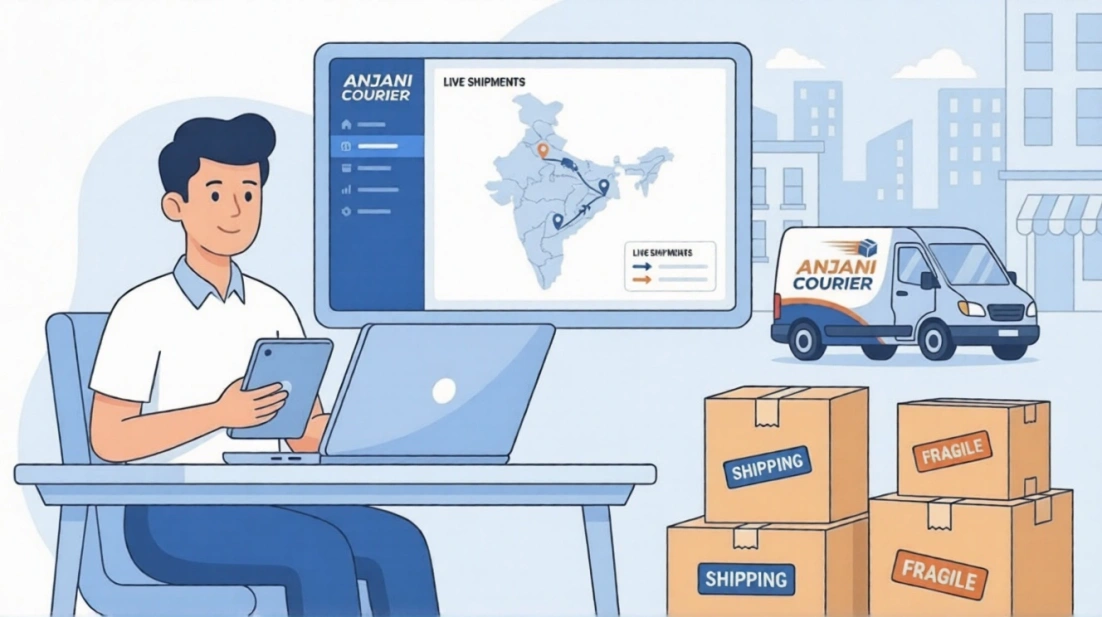
If you’ve ever run an e-commerce business—even a small one—you already know this truth: shipping isn’t just logistics, it’s part of your brand.
A customer might love your product. Price? Perfect. Packaging? On point. But if the delivery is late, confusing, or feels like it vanished into thin air… that’s what they remember.
We’ve seen it again and again. Sellers do everything right, only to lose repeat buyers because of poor delivery visibility.
That’s exactly why more online businesses are paying closer attention to how they work with Anjani Courier, and more importantly, how they use tracking to deliver faster and smarter.
Let’s talk about what that actually looks like in the real world—not theory, not buzzwords. Just how sellers use Anjani Courier tracking to make life easier for themselves and their customers.
Why Shipping Can Make or Break an E-commerce Business
Here’s the thing most new sellers learn the hard way: your job doesn’t end when the order is placed.
In fact, that’s when the real work begins. Customers don’t judge you by how quickly they clicked “Buy.” They judge you by:
- When their parcel arrives
- How informed they feel during delivery
- How you handle delays (because they will happen)
Research shows that ‘Where’s my order?’ (WISMO) inquiries make up around 70% of all post-purchase customer support requests. And according to industry studies, businesses using real-time tracking see up to a 70% reduction in customer service calls.
We’ve noticed sellers who invest time in shipping visibility get:
- Fewer angry messages
- Fewer refund requests
- Better reviews
And this is where Anjani Courier fits into the picture.
Why E-commerce Sellers Work with Anjani Courier
No courier is perfect. Let’s be honest about that upfront. But many small to mid-size e-commerce sellers choose Anjani Courier because it’s practical, not flashy.
It’s commonly used by sellers who:
- Ship domestically across India
- Handle a lot of Cash on Delivery (COD) orders
- Want reasonable pricing
- Need consistent regional coverage
Anjani Courier works especially well for sellers who don’t have massive logistics teams but still need dependable delivery and tracking.
And behind it all is Shree Anjani Courier, a network that’s been operating long enough to understand Indian delivery realities—traffic, regional delays, customer behavior, all of it.
How Anjani Courier Fits Into a Typical E-commerce Order Flow
Let us break it down the way sellers actually experience it. No fancy diagrams. Just the real flow.
- Order Placed
A customer completes a checkout on your website or marketplace. - Parcel Booked
The order is packed and handed over to Anjani Courier. - Tracking Number Generated
This is key. A tracking (docket) number is created. - Parcel in Transit
The shipment moves through sorting centers and hubs. - Out for Delivery
Final-mile delivery attempt begins. - Delivered or Attempted
Successful delivery—or a failed attempt that needs follow-up.
Every one of these steps creates data. Tracking turns that data into clarity.
How E-commerce Sellers Actually Use Anjani Courier
This is where theory meets reality. Most sellers don’t sit around staring at tracking dashboards all day. They use tracking reactively and strategically.
Here’s how.
1. Answering Customer Questions (Before They Escalate)
You know the message:
“Where is my order?”
Instead of back-and-forth emails or calls, sellers simply:
- Check the tracking status
- Share the live tracking link
- Give a clear update
That one step alone reduces friction.
Industry data backs this up: businesses that provide proactive tracking updates see customer support inquiries drop by 10% on average, and some advanced implementations achieve reductions of up to 70%.
2. Sharing Tracking Links Proactively
Smart sellers don’t wait for customers to ask.
They:
- Send tracking details via email or WhatsApp
- Include tracking links in order confirmation messages
- Share updates when a parcel is out for delivery
This builds trust. People feel informed—even if delivery takes a day longer than expected.
Research shows that when customers are proactively notified about shipment delays, they’re 73% less likely to contact customer support. That’s a massive reduction in support workload.
3. Monitoring Delays Before Customers Notice
Tracking isn’t just for customers.Sellers use it to:
- Spot shipments stuck at a hub
- Identify repeated delays on specific routes
- Follow up before complaints roll in
That proactive approach changes everything.
Reducing Customer Complaints with Better Tracking Visibility
Here’s something we’ve learned over the years: Most customers aren’t angry about delays. They’re angry about silence.
No updates = panic.
Panic = complaints.
When sellers actively use Anjani tracking:
- Customers know where the parcel is
- Expectations are set clearly
- Trust stays intact
Even delayed deliveries feel more acceptable when the process is transparent.
COD Orders, Failed Deliveries & Returns: Where Tracking Helps Most
If you sell in India, you already know—COD changes the game. Failed deliveries, fake “not received” claims, unreachable customers… it’s all part of the territory.
Here’s the reality: according to industry research, approximately 60-65% of e-commerce orders in India are COD. And here’s the challenging part—25-30% of these COD orders result in Return to Origin (RTO), meaning they’re never successfully delivered. In comparison, prepaid orders have an RTO rate of only 2-3%.
This is where tracking becomes more than convenience. It becomes protection.
Tracking helps sellers:
- Confirm delivery attempts
- Verify delivery timelines
- Handle disputes with proof
- Reduce unnecessary refunds
Real-world example: An Indian D2C fashion brand implemented automated COD order verification through OTP and WhatsApp confirmation. The result? Their RTO rate dropped by 18%, saving them approximately ₹30,000 monthly in logistics costs. By verifying customer intent before shipping, they filtered out impulsive orders and fake addresses.
We’ve seen sellers recover COD disputes simply by referencing clear tracking history. It’s not about arguing with customers. It’s about having facts on your side.
The numbers tell the story: Tier 1 cities in India have RTO rates around 15-20%, while Tier 3 and rural areas see RTO rates of 40-45%. Knowing this, smart sellers use tracking data to identify high-risk zones and adjust their COD policies accordingly.
Common Mistakes E-commerce Sellers Make with Courier Tracking
Let’s talk about mistakes—because we’ve all made them.
Some of the most common ones:
- Not sharing tracking details early
- Only checking tracking after a complaint
- Ignoring patterns of repeated delays
- Relying only on courier support instead of tracking tools
One thing we always tell people is this: tracking works best when it’s part of your daily workflow, not a backup plan.
Best Practices: Using Anjani Courier More Effectively
If you want smoother operations, these small habits help a lot:
- Share tracking within 24 hours of dispatch
- Monitor shipments once daily during peak seasons
- Watch for “Out for Delivery” status on COD orders
- Follow up quickly after failed delivery attempts
- Use tracking pages instead of manual explanations
None of this is complicated. But together, it saves hours every week.
Real-world example: Consider Priya, who runs a home décor business in Jaipur. She ships about 200 orders monthly, 70% through COD. Initially, she was spending 2-3 hours daily just answering “Where is my order?” messages. After implementing a simple system—auto-sending tracking links via WhatsApp within 12 hours of dispatch and checking Courier tracking once every morning—her support time dropped to under 30 minutes daily. Her customers felt more informed, and her refund rate dropped from 12% to 6% within three months.
Is Anjani Courier the Right Choice for Your E-commerce Business?
Let’s keep this balanced.
Anjani Courier works well if you:
- Ship mostly within India
- Handle COD orders
- Operate at small to mid scale
- Want cost-effective delivery with tracking visibility
You may need alternatives if you:
- Ship internationally at scale
- Require same-day or express nationwide delivery
- Need deep API automation for enterprise logistics
There’s no one-size-fits-all courier. But for many sellers, Anjani Courier hits the sweet spot.
Shipping Is Part of Your Brand (Whether You Like It or Not)
Here’s the takeaway, straight up. Customers don’t separate your product from your delivery experience. To them, it’s all one journey.
Using Anjani Courier is one part of that. Using tracking smartly is what makes the difference.
When sellers treat tracking as a communication tool—not just a number on a receipt—they:
- Deliver faster
- Handle problems calmly
- Build long-term trust
And that’s how online businesses grow without burning out. If you’re already shipping with Anjani Courier, make the most of its tracking. If you’re considering it, understand how tracking fits into your workflow before the first order goes out.
It’ll save you time. It’ll save you stress. And your customers will feel the difference.