
Sea Freight and International Logistics: Driving Global Trade Efficiency
Introduction
Global trade has become more interconnected than ever, making efficient transportation and supply chain management essential for businesses of all sizes. Among the most important components of international commerce are sea freight and international logistics, which work together to ensure goods move smoothly across borders.
Whether a company imports raw materials, exports finished products, or operates an international e-commerce business, effective logistics solutions are critical for maintaining competitiveness and meeting customer expectations.
What Is Sea Freight?
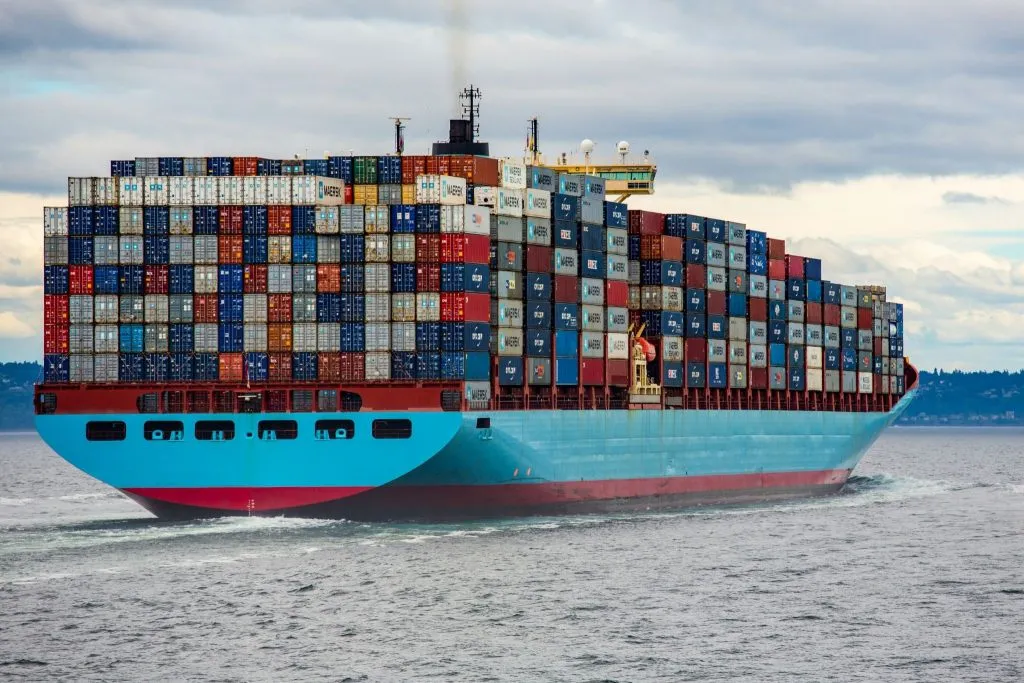
Sea freight refers to the transportation of goods by cargo ships across international waters. It remains the most widely used method for moving large volumes of cargo globally due to its cost-effectiveness and scalability.
According to the United Nations Conference on Trade and Development (UNCTAD), approximately 80% of global trade by volume is transported by sea, making maritime shipping the backbone of international commerce.
Benefits of Sea Freight
Cost Efficiency
Sea freight is significantly more affordable than air freight, particularly for heavy, oversized, or bulk shipments.
Large Cargo Capacity
Modern container vessels can carry thousands of containers in a single voyage, enabling businesses to transport substantial quantities of goods efficiently.
Environmental Advantages
Compared to air transportation, sea freight generally produces lower carbon emissions per ton of cargo, making it a more sustainable shipping option.
Global Connectivity
Major shipping routes connect ports worldwide, providing businesses with access to international markets and customers.
Understanding International Logistics
International logistics involves planning, coordinating, and managing the movement of goods across countries. It includes transportation, warehousing, customs clearance, inventory management, and last-mile delivery.
The primary goal of international logistics is to ensure products reach their destination safely, efficiently, and in compliance with all applicable regulations.
Key Components of International Logistics
Transportation Management
Selecting the most suitable combination of sea, air, rail, and road transport based on cost, speed, and shipment requirements.
Customs Compliance
Managing documentation, duties, taxes, and regulatory requirements to avoid costly delays.
Warehousing and Distribution
Strategically storing products and coordinating distribution to meet customer demand.
Supply Chain Visibility
Using tracking technologies and data analytics to monitor shipments and improve decision-making.
How Sea Freight Supports International Logistics
Sea freight serves as a critical transportation method within the broader framework of international logistics. For example, a manufacturer shipping products from Asia to North America may use sea freight to transport goods to a destination port. Logistics providers then manage customs clearance, warehousing, and final delivery.
This integrated approach helps businesses:
- Reduce transportation expenses.
- Improve supply chain efficiency.
- Optimize inventory management.
- Expand into international markets.
- Ensure regulatory compliance.
Real-World Example
A global electronics manufacturer shipping products from China to Europe can significantly reduce transportation costs through sea freight while relying on international logistics providers to coordinate customs documentation, warehousing, and final delivery. This streamlined process improves delivery reliability and customer satisfaction while maintaining cost efficiency.
Challenges in Global Shipping
Despite its advantages, businesses may encounter several challenges when managing international shipments.
Port Congestion
High traffic at major ports can cause delays and disrupt supply chain schedules.
Regulatory Complexity
Import and export regulations vary by country and require careful compliance.
Supply Chain Disruptions
Weather events, geopolitical developments, and economic fluctuations can impact shipping operations.
Documentation Errors
Incomplete or inaccurate paperwork can lead to customs delays and additional expenses.
Partnering with experienced logistics providers helps mitigate these risks and improve operational efficiency.
Choosing the Right Logistics Partner
Selecting a reliable logistics provider is essential for successful international shipping. Businesses should evaluate:
- Industry experience
- Global network coverage
- Customs expertise
- Shipment tracking capabilities
- Customer service quality
- Competitive pricing
Organizations that invest in strong logistics partnerships often achieve faster delivery times, lower costs, and improved customer satisfaction.
Conclusion
As global commerce continues to expand, sea freight and international logistics remain fundamental to efficient international trade. Sea freight offers an economical and scalable transportation solution, while international logistics ensures every stage of the supply chain operates seamlessly.
Businesses that leverage both effectively can reduce costs, improve operational efficiency, and strengthen their position in the global marketplace.
Also Read: The Hidden Potential of WPS Office