
How Smart Equipment Planning Improves Industrial Project Success
Industrial projects are far more complex than standard product deliveries. A successful project depends on proper planning, engineering, manufacturing, testing, transportation, and installation. While many buyers focus primarily on the delivery date, experienced professionals understand that project success begins long before equipment leaves the manufacturing facility.
Every industrial system consists of multiple components that must work together efficiently. Pumps, valves, piping, instrumentation, control panels, and structural supports all play an important role in overall system performance. If any component is overlooked during planning or installation, project timelines and operational efficiency can be affected.
Why Integrated Equipment Solutions Are Gaining Popularity
Modern industries are constantly looking for ways to reduce installation time and improve operational efficiency. This has led many organizations to adopt integrated equipment solutions rather than relying on traditional field assembly methods.
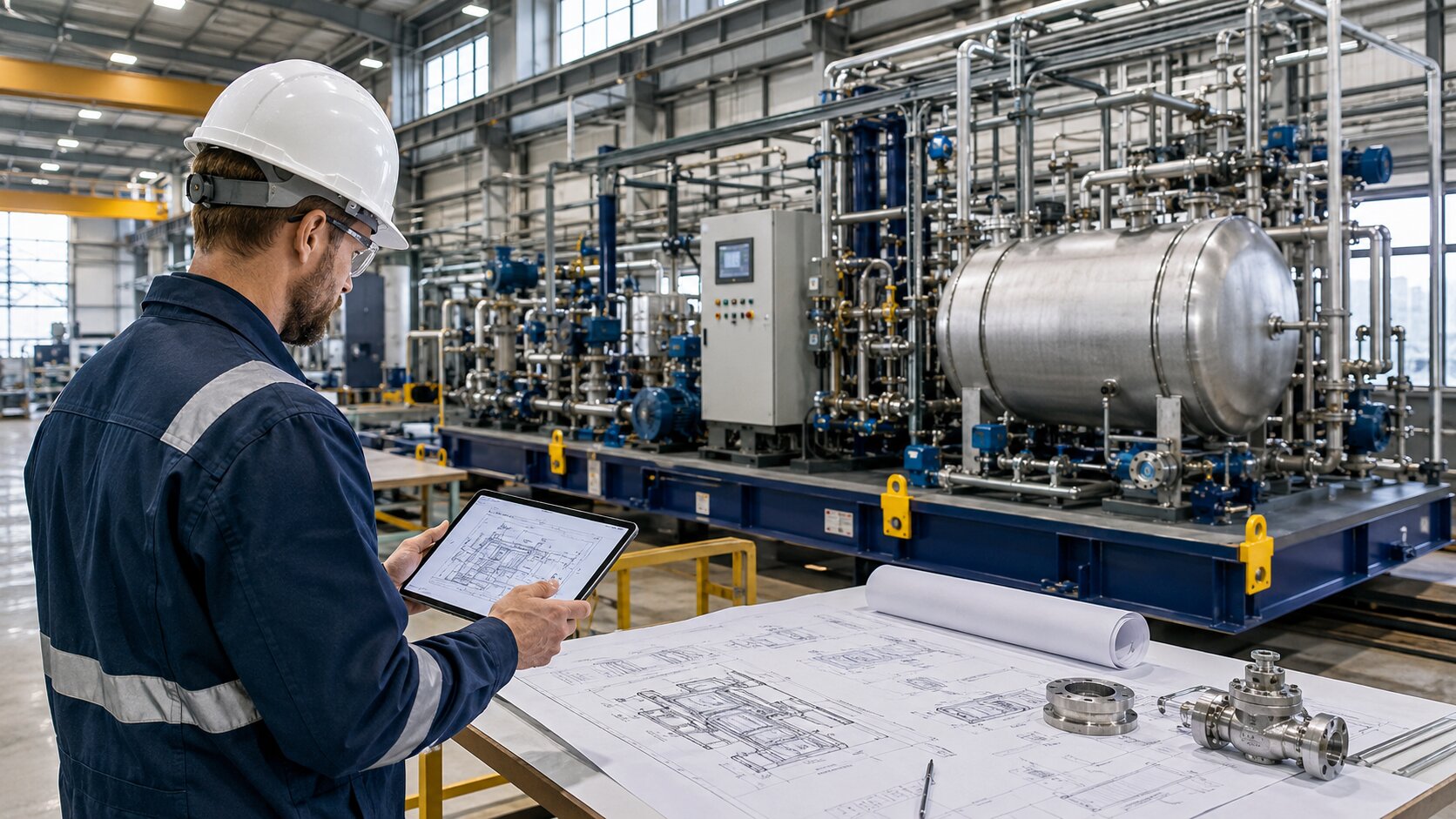
One popular example is the use of Skid Mounted systems. These solutions allow major equipment components to be assembled on a single structural base before shipment. By completing much of the integration work in a controlled manufacturing environment, companies can significantly reduce installation complexity at the project site.
This approach also improves quality control because manufacturers can inspect and test systems before delivery. As a result, customers receive equipment that is closer to operational readiness upon arrival.
Reducing Installation Challenges Through Modular Design
Installation delays are among the most common causes of project overruns. Traditional installations often require numerous individual components to be delivered separately and assembled on-site. This process demands significant labor, coordination, and technical expertise.
To overcome these challenges, many industries are adopting modular process skids. These systems simplify installation by combining multiple process components into a pre-engineered package. Since much of the assembly work is completed before shipment, site teams can focus on utility connections, testing, and commissioning rather than extensive fabrication work.
The result is faster project completion, lower labor costs, and reduced operational disruption.
The Role of Engineering Excellence
Quality engineering is one of the most important factors in long-term equipment performance. Industrial systems often operate under demanding conditions involving high pressure, extreme temperatures, and corrosive environments. These challenges require careful design and material selection.
Engineers must consider operating requirements, maintenance accessibility, safety standards, and future expansion possibilities. A well-designed system not only performs efficiently but also minimizes maintenance requirements throughout its operational life.
Why Pressure Equipment Requires Special Attention
Pressure-containing equipment is widely used across industries such as oil and gas, chemical processing, pharmaceuticals, and power generation. Because these systems operate under specific pressure and temperature conditions, they must be engineered according to recognized industry standards.
Effective pressure vessels design involves much more than selecting dimensions and materials. Engineers must evaluate operating pressure, corrosion resistance, welding procedures, inspection requirements, and safety considerations. Proper design helps ensure equipment reliability while maintaining compliance with applicable regulations and industry standards.
Documentation and Quality Control Matter
Even the highest-quality equipment can create challenges if documentation is incomplete. Engineering drawings, inspection reports, test certificates, operating manuals, and maintenance guidelines provide critical information for installation and operational teams.
Comprehensive documentation allows project managers to verify specifications, schedule maintenance activities, and ensure that equipment is installed correctly. This level of transparency reduces uncertainty and supports smoother project execution.
Logistics Planning Is Part of the Process
Transportation is often viewed as the final stage of a project, but successful logistics planning begins much earlier. Large industrial equipment may require specialized packaging, route planning, lifting equipment, and coordination with transportation providers.
By considering logistics requirements during the design and fabrication stages, manufacturers can help prevent delays and reduce the risk of damage during shipment. Early planning also allows customers to prepare foundations, utilities, and installation crews before equipment arrives.
Building Long-Term Project Success
The most successful industrial projects are built on preparation, communication, and quality engineering. Organizations that prioritize planning from the earliest stages are better positioned to control costs, reduce risks, and achieve operational goals.
Whether implementing integrated systems, improving logistics coordination, or investing in advanced engineering practices, companies that focus on preparation often experience smoother installations and better long-term performance. In today’s competitive industrial environment, careful planning is not simply an advantage—it is a necessity for sustainable success.