How to Work Remotely While Traveling: Connectivity Tips for Digital Nomads
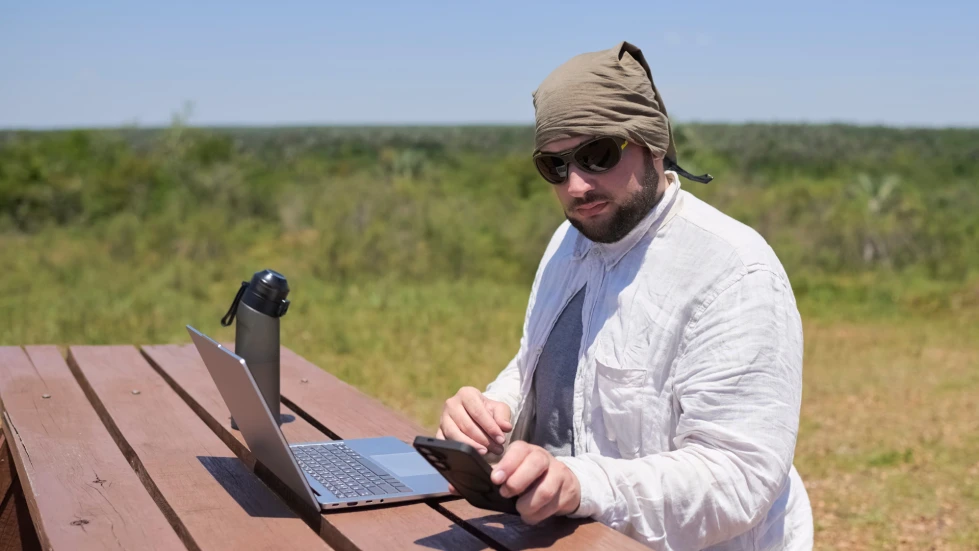
Ever daydreamed about firing off those quarterly reports from a beachside café in Bali? Maybe hopping on Zoom calls while the Eiffel Tower peeks through your window? Sounds magical until reality hits you like a ton of bricks, your video freezes right when you’re closing that deal, or worse, you’re watching that spinning loading wheel while your deadline flies past.
Here’s something wild: we’re looking at roughly 40 million digital nomads worldwide in 2024, according to findings from MBO Partners. That’s not a small coffee shop crowd anymore. With numbers like that, solid internet isn’t some luxury perk, it’s literally what keeps your entire work life running.
Essential Internet Connectivity Options for Digital Nomads
Landing in a foreign country without your internet sorted out beforehand? That’s basically asking for trouble and expensive headaches. Smart nomads figure out their connection game plan before wheels hit the tarmac. Let’s break down what actually works in the real world.
eSIM Technology Revolution
Something really cool has happened in the connectivity space recently. Gone are those frustrating afternoons hunting through sketchy phone shops in cities where you can’t even read the street signs, or getting absolutely hammered by roaming fees that’ll make your accountant cry.
Remote work while traveling just got way less complicated, and you can thank eSIM tech for that breakthrough. An esim prepaid plan downloads straight to your device without any physical card swapping. No tiny SIM card trays. No paperclips. You activate everything before boarding your flight, which means the internet hits your phone the second you clear customs. Companies like Airalo, Holafly, and Saily sell regional or global packages covering multiple countries, perfect when you’re bouncing around every few weeks.
Traditional SIM Card Options
Look, eSIMs are fantastic and clearly the future. But physical SIM cards still have their moments, situations where the old-school approach actually makes more sense than the shiny new tech everyone’s talking about.
Planning to plant yourself somewhere for a month or longer? Local prepaid SIMs typically crush any international plan when you’re talking pure cost efficiency. They’re easier to troubleshoot when things inevitably go sideways, too. Most countries sell them right at airports or corner stores, usually with minimal paperwork drama.
Reliable Connectivity Strategies for Remote Work Abroad
Knowing your connectivity options is step one. Actually deploying them strategically so you never blow a deadline because your internet crapped out? That’s where the magic happens.
Speed Requirements for Different Tasks
Understanding how to work remotely abroad really starts with knowing your bandwidth needs down to specifics. Checking email or Slack? You’ll survive fine on 1-2 Mbps. Video calls need something more respectable, think 3-5 Mbps minimum for stable connections. Pushing huge files to the cloud or editing video remotely? You’ll want 10 Mbps or better, honestly more if you can get it.
The technological landscape, cloud platforms, solid connectivity infrastructure, video conferencing tools, has genuinely made remote work feasible for way more professions than ever before. Before you commit to any apartment or coworking membership, run actual speed tests using Speedtest.net or Fast.com. And don’t just check once at noon. Test it morning, afternoon, and evening, speeds crater during local rush hours more often than you’d think.
Multi-Layered Backup Plans
Digital nomad connectivity demands redundancy. Period. The nomads who actually succeed long-term? They’ve always got their main connection, a solid backup, and yeah, even a third option tucked away for emergencies.
Your phone’s hotspot becomes your first lifeline. Accommodation WiFi dies during a critical client presentation? Switch to mobile tethering in literally seconds. Beyond that, do your homework on coworking spaces near wherever you’re staying, WeWork, Regus, even reliable cafés with verified fast internet. Research this stuff before you arrive, not when you’re desperate.
For work that’s genuinely mission-critical, some nomads drop money on portable WiFi units like GlocalMe or Skyroam. These little pocket hotspots function across borders and connect multiple gadgets simultaneously, making them golden for collaborative projects or backup scenarios when WiFi goes dark.
Location Intelligence: Choosing Connectivity-Friendly Destinations
Even the slickest connectivity setup struggles when infrastructure is terrible, which makes picking your destination one of the biggest decisions you’ll make in this lifestyle.
Choosing Destinations with Superior Infrastructure
Staying connected while traveling becomes dramatically simpler when you target cities famous for reliable internet. Lisbon and Madeira in Portugal became digital nomad darlings partly because their connectivity infrastructure actually works. Chiang Mai in Thailand and Canggu in Bali deliver similar reliability at friendlier price points.
Before booking anything, check platforms like Nomad List, they’ve got real internet speed data reported by actual remote workers living in those cities. These crowdsourced numbers beat official government statistics every time because they show actual working conditions, not theoretical maximums.
Researching Accommodation Connectivity
Picking a connectivity-strong country is your foundation, but your specific apartment or villa makes the real difference between productive days and wanting to throw your laptop out the window. Always message hosts before booking. Ask specific questions about speeds, you want actual Mbps numbers, not vague promises about “super fast WiFi” that mean nothing.
Savvy nomads request Speedtest screenshots from hosts. Might feel pushy, but professional hosts totally understand that remote workers need reliable connectivity to pay their bills. Also ask where the router sits relative to your room and whether there’s an actual workspace with a proper desk and accessible outlets.
Setting it up? Honestly easier than assembling IKEA furniture. Most providers email you a QR code. You scan it through your phone settings (works on both iOS and Android), and boom, connected in minutes. If you’re the type who changes countries like most people change coffee orders, this flexibility is honestly life-changing.
Wrapping Up Your Connectivity Toolkit
Mastering remote work while traveling really boils down to preparation and having backups for your backups. The nomads who genuinely thrive out there? They never rely on just one connection, they stack eSIM data plans, backup hotspots, and coworking memberships so they’re never stranded offline when it counts.
Yeah, setting up multiple connectivity layers takes upfront effort and investment. But that preparation is precisely what separates professionals who flourish abroad from those who constantly struggle and eventually give up. With 40 million digital nomads already proving this lifestyle actually works, your connectivity strategy becomes the foundation determining whether you’ll join them successfully or crash and burn.
Test everything before you leave home. Research your destinations obsessively. Keep that backup plan locked and loaded, because the freedom of working from literally anywhere on the planet is absolutely worth fighting for.
Also Check: Best Company for Birthday Balloons and Fireworks in Greece