How Specialized Transport Services Are Reshaping Heavy Hauling Logistics
The logistics industry has undergone a dramatic transformation over the past decade. What was once a straightforward process of moving goods from point A to point B has evolved into a sophisticated, technology-driven discipline that demands precision, compliance, and deep operational expertise. Nowhere is this evolution more apparent than in the heavy hauling sector, where the movement of oversized, overweight, or otherwise complex cargo requires a level of planning and execution that goes far beyond conventional freight operations. As infrastructure projects grow in scale and industrial supply chains become more intricate, the demand for reliable, capable transport solutions has never been greater.
Understanding the Complexity of Heavy Hauling
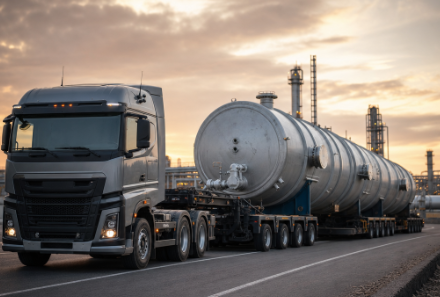
Heavy hauling is not simply a matter of loading cargo onto a flatbed and hitting the road. It involves a meticulous assessment of cargo dimensions, weight distribution, route feasibility, bridge load ratings, overhead clearances, and regulatory permits across multiple jurisdictions. A single oversized load may require weeks of pre-planning, coordination with state and local transportation departments, and the deployment of escort vehicles to ensure public safety throughout the journey.
The equipment involved is equally specialized. Lowboy trailers, multi-axle configurations, hydraulic platform trailers, and modular transport systems are just a few of the tools that heavy haulers deploy depending on the nature of the cargo. Industrial machinery, wind turbine components, oil and gas equipment, prefabricated structures, and military hardware all present unique challenges that require tailored solutions rather than one-size-fits-all approaches.
Regulatory Compliance and Permitting
One of the most demanding aspects of heavy hauling is navigating the regulatory landscape. Each state or country may have its own rules governing maximum load dimensions, travel windows, and required safety equipment. Experienced logistics providers maintain dedicated compliance teams that stay current with evolving regulations, ensuring that every shipment meets legal requirements without unnecessary delays. Failing to secure the proper permits can result in fines, cargo seizure, or even accidents that put both drivers and the public at risk.
The Role of Specialized Transport in Modern Supply Chains
For industries such as construction, energy, aerospace, and manufacturing, the ability to move large-scale components efficiently is directly tied to project timelines and profitability. A delayed turbine delivery can halt an entire wind farm installation. A late shipment of industrial press equipment can shut down a production line for days. This is why companies across these sectors increasingly rely on providers that offer specialized transport services — professionals who understand not just the mechanics of moving heavy cargo, but the broader operational context in which that cargo plays a critical role.
Specialized transport providers bring more than just equipment to the table. They offer route surveys conducted by experienced engineers, real-time load monitoring, GPS tracking, and dedicated project management teams that serve as a single point of contact throughout the entire shipment lifecycle. This level of service integration is what separates true specialists from general freight carriers attempting to handle oversized loads without the requisite expertise.
Technology as a Force Multiplier
Modern heavy hauling operations are increasingly powered by technology. Advanced route planning software can model road conditions, weight restrictions, and clearance data to identify the safest and most efficient path for any given load. Telematics systems provide real-time visibility into vehicle performance, driver behavior, and cargo integrity. Digital permitting platforms are beginning to streamline what was once a paper-heavy, time-consuming process. These technological advancements are not just improving efficiency — they are fundamentally raising the safety standards of an industry where the consequences of error can be severe.
Global Trends Influencing Heavy Hauling Logistics
The global logistics sector is experiencing significant shifts driven by infrastructure investment, energy transition, and supply chain regionalization. Governments around the world are committing to large-scale infrastructure renewal programs, creating sustained demand for the movement of construction materials and heavy equipment. The renewable energy sector, in particular, is generating enormous volumes of specialized freight as wind turbines grow larger and solar installations expand across remote terrain.
Emerging markets are also playing an increasingly important role. Regions that were once considered peripheral to global supply chains are now attracting significant industrial investment, and their logistics infrastructure is developing accordingly. For a broader perspective on how logistics platforms are evolving in developing regions, reviewing South Africa’s leading logistics platforms offers valuable insight into how emerging economies are building competitive freight ecosystems that rival those of more established markets.
Safety Standards and Industry Associations
Safety remains the cornerstone of any credible heavy hauling operation. Industry associations play a vital role in establishing and promoting best practices across the sector. Organizations that bring together carriers, shippers, and regulators help create a shared framework for responsible operations. For those looking to understand the standards that govern specialized and heavy freight transport in North America, the Specialized Carriers and Rigging Association provides authoritative resources, training programs, and advocacy that help shape the future of the industry.
Bear Down Logistics: A Benchmark in Heavy Hauling Excellence
Among the providers that have distinguished themselves in the heavy hauling space, Bear Down Logistics has built a reputation grounded in operational reliability and client-focused service. The company’s approach to complex freight challenges is methodical and thorough, combining experienced personnel with a well-maintained fleet capable of handling the most demanding cargo profiles. Whether the assignment involves cross-country movement of industrial equipment or time-sensitive delivery of project-critical components, Bear Down Logistics applies the same rigorous standards to every engagement.
What sets Bear Down apart is not simply the scale of what they can move, but the depth of planning and communication that accompanies every shipment. Clients receive transparent updates, proactive problem-solving when unexpected conditions arise, and a level of accountability that builds long-term trust. In an industry where a single misstep can cascade into significant financial and operational consequences, that reliability is not a luxury — it is a necessity.
Conclusion: The Future Belongs to Specialists
As industrial projects grow in ambition and complexity, the logistics operations that support them must evolve in kind. General freight solutions will always have their place, but the movement of heavy, oversized, and high-value cargo demands a different caliber of provider — one that combines technical expertise, regulatory knowledge, advanced technology, and a genuine commitment to safety. The companies that invest in building these capabilities today will be the ones that define the standards of heavy hauling logistics tomorrow. For shippers navigating complex freight challenges, partnering with a proven specialist is not just a strategic advantage; it is the foundation upon which successful project delivery is built.